Emerald AI, Google and NVIDIA Launch AI Energy Management Alliance to Pioneer Grid-Responsive Data Centers

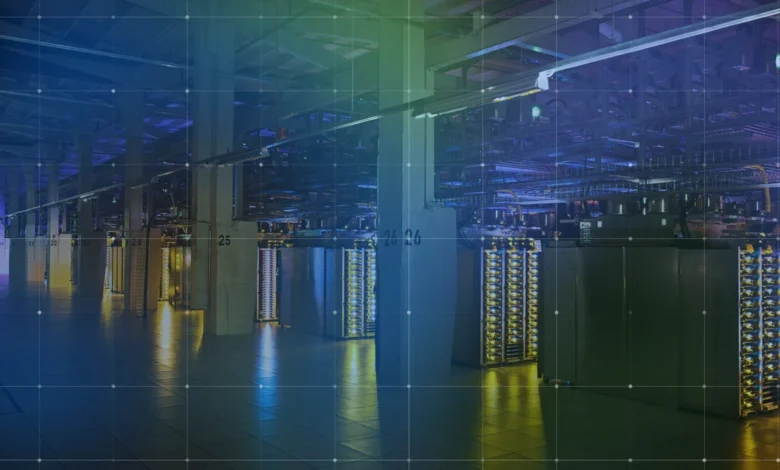
The rapid proliferation of artificial intelligence has transformed data centers from passive consumers of electricity into massive industrial entities often described as "AI factories." As these facilities scale to meet the insatiable demand for computing power, they are placing unprecedented pressure on aging electrical grids. In a move designed to reconcile the explosive growth of AI infrastructure with the physical constraints of energy systems, Emerald AI, Google, and NVIDIA have officially announced the formation of the AI Energy Management Alliance (AEMA). This coalition represents a strategic shift in how the technology and energy sectors collaborate, aiming to transition data centers from inflexible, static loads into dynamic, grid-responsive assets.
The core premise of the AEMA is that the future of the intelligence era depends as much on innovation within the electrical grid as it does on the advancements occurring inside the data center. By developing standardized frameworks for power flexibility, the alliance seeks to alleviate the bottleneck of energy interconnection, which has increasingly become the primary limiting factor for large-scale AI deployment across the United States.
The Power Constraint: A Defining Challenge for AI
The current crisis in energy infrastructure is rooted in a fundamental mismatch between the design of traditional grids and the operational requirements of modern AI computing. Historically, electrical grids were built to accommodate residential and commercial loads that followed predictable, diurnal patterns. Data centers, conversely, represent massive, constant, and high-density power draws.
According to data from the International Energy Agency (IEA), electricity consumption from data centers could double by 2026, reaching over 1,000 terawatt-hours globally. In the U.S., the surge in demand is particularly acute; utility providers are struggling to process interconnection queues, which currently contain thousands of gigawatts of capacity, much of which is waiting for grid upgrades that can take years to complete.
The AEMA argues that the traditional model of data centers as "flat" electricity consumers is no longer sustainable. Instead, the alliance envisions a future where AI infrastructure can communicate with grid operators in real time. If a heatwave causes a spike in residential energy demand, or if renewable energy production dips due to weather conditions, a "grid-responsive" data center could intelligently throttle its electricity draw. This can be achieved through shifting non-critical computing workloads to other geographic regions, deploying on-site battery storage, or utilizing backup generation assets to balance the load.
Chronology of the Shift Toward Flexibility
The formation of the AEMA follows a period of mounting tension between technology giants and local utility commissions. Throughout 2023 and early 2024, high-profile reports from organizations like the Electric Power Research Institute (EPRI) highlighted the growing risk of grid instability due to the concentration of AI compute clusters.
The timeline of this shift began in earnest when NVIDIA and Emerald AI initiated pilot programs focused on real-time grid responsiveness. Recognizing that individual corporate initiatives were insufficient to move the needle on national policy, these entities began convening stakeholders from the power and tech sectors in mid-2024. The official launch of the AEMA this week marks the culmination of these discussions, signaling a pivot from independent energy procurement to a collective, systemic approach to infrastructure management.
Technical and Operational Objectives
The alliance is explicitly technology-neutral and performance-based. Rather than mandating specific hardware architectures, the AEMA focuses on measurable outcomes: how quickly a facility can respond to a grid signal, the duration of that response, and the predictability of its behavior during emergency events.
For grid operators, this transition turns a liability into a tool. A facility that can be dialed down during times of peak stress acts as a "controllable resource," effectively providing the same service as a peaker plant without the need for additional carbon-heavy generation. This strategy also promises to accelerate the interconnection process. If a data center developer can prove that their facility can act as a grid stabilizer, utilities may be more willing to approve connections on shorter timelines, knowing that the project will not compromise system reliability.
The Full Value Chain Approach
One of the most significant aspects of the AEMA is its membership structure. The coalition has intentionally bridged the gap between traditionally siloed industries. By bringing together AI platform developers, infrastructure providers, data center operators, independent power producers, and regional transmission organizations (RTOs), the alliance creates a forum for solving systemic problems.
Industry analysts suggest that this collaborative model is essential because the challenge of energy management is not purely technical; it is also regulatory. Policies governing power markets were written in an era when consumers were largely passive. AEMA’s advocacy wing plans to lobby for regulatory updates that recognize "grid-responsive demand" as a distinct and valuable service, potentially creating new market mechanisms where data centers are compensated for providing stability to the power system.
Economic and Environmental Implications
The economic implications of the AEMA’s work are profound. By making more efficient use of existing grid capacity, the alliance aims to reduce the need for multi-billion-dollar transmission upgrades that are ultimately passed on to ratepayers. This addresses a growing public concern regarding energy affordability. If AI infrastructure can "play well" with the grid, it can grow without driving up utility bills for the broader population.
From an environmental perspective, grid-responsive AI factories offer a path toward better integration of intermittent renewable energy. If a facility can ramp up its power consumption when wind or solar generation is abundant and curtail it when supply is low, it helps optimize the entire energy ecosystem. This is a critical step in lowering the environmental impact per watt of computing power—a key metric for companies like Google and NVIDIA, both of which have committed to ambitious decarbonization targets.
The Road Ahead: Establishing Industry Standards
As the alliance begins its work, the immediate focus is on creating a common framework for reliability. The founding members are currently developing best practices for how data centers should communicate with grid operators. This includes establishing secure, low-latency protocols for data exchange and defining the parameters for what constitutes a reliable "response" to grid stress.
While the initiative is ambitious, experts caution that success will depend on the willingness of regional utilities to adopt these new standards. The U.S. power grid is decentralized, with fragmented oversight across various states and regional grid operators like PJM or CAISO. The AEMA’s success will ultimately be measured by its ability to secure buy-in from these diverse local entities.
The rules governing the intersection of AI and energy are being written in real-time. By moving now to create a standardized, performance-based approach to energy management, the AEMA is attempting to ensure that the rapid expansion of AI does not come at the expense of the grid’s foundational reliability. If successful, the alliance could set a global precedent for how heavy-load industrial infrastructure can become a net contributor to energy stability rather than a source of systemic strain.
For developers and operators, the message is clear: the era of the "unplugged" data center is over. Future AI infrastructure must be deeply integrated into the fabric of the energy system, proving its worth not just through the intelligence it generates, but through the efficiency and reliability it contributes to the power grid. As the alliance moves forward, the focus will remain on building the technical capacity for real-time interaction, ensuring that the infrastructure of the intelligence era is as sustainable as it is powerful.
Related posts: